
Bio-Mining Legacy Waste: Restoring 15 Acres of Land
Capping legacy dumpsites doesn't eliminate environmental risk—it merely buries a ticking liability. Real remediation requires complete extraction, stabilization, and material recovery.
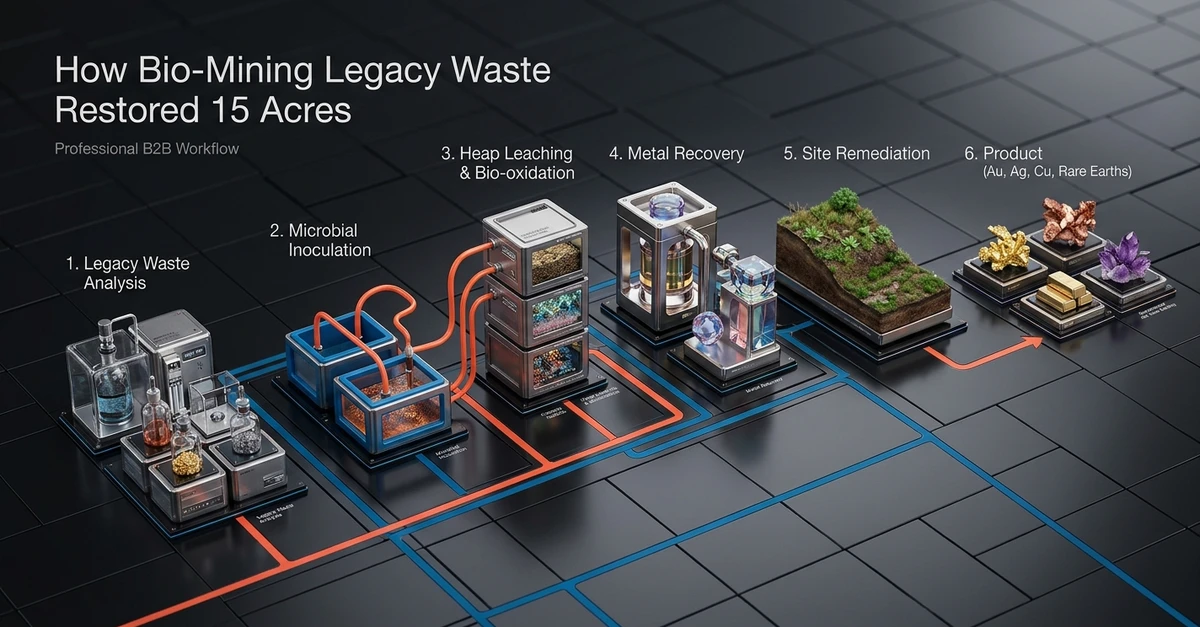
When executing legacy waste bio-mining across projects in Gujarat, transforming contaminated acreage into reusable land requires strict adherence to scientific segregation protocols. Here is how urban authorities can manage landfill reclamation safely and effectively:
• Screening & Fractionation: Deploy multi-stage trommels to isolate fine soil from high-calorific combustibles. Preventing an RDF calorific value drop demands precise moisture control prior to baling.
• Stabilization & Odor Control: Aerobic bio-drying stabilizes organic fractions before excavation, mitigating health impacts for surrounding residential zones.
• Compliance & Environmental Audits: Align every stage of material movement with strict state standards to ensure frictionless GPCB CCA renewal and transparent regulatory reporting.
By reclaiming 15 acres of degraded land through systematic bio-mining, municipalities eliminate long-term leachate threats while returning valuable spatial assets to local communities.
How is your city handling legacy landfill liabilities this year?